 YouTubeMentorMe Advisors
BooksPublished Work
PressExecutive Bio
Contact
Book a Call
The right structure gives you the freedom to lead instead of manage.
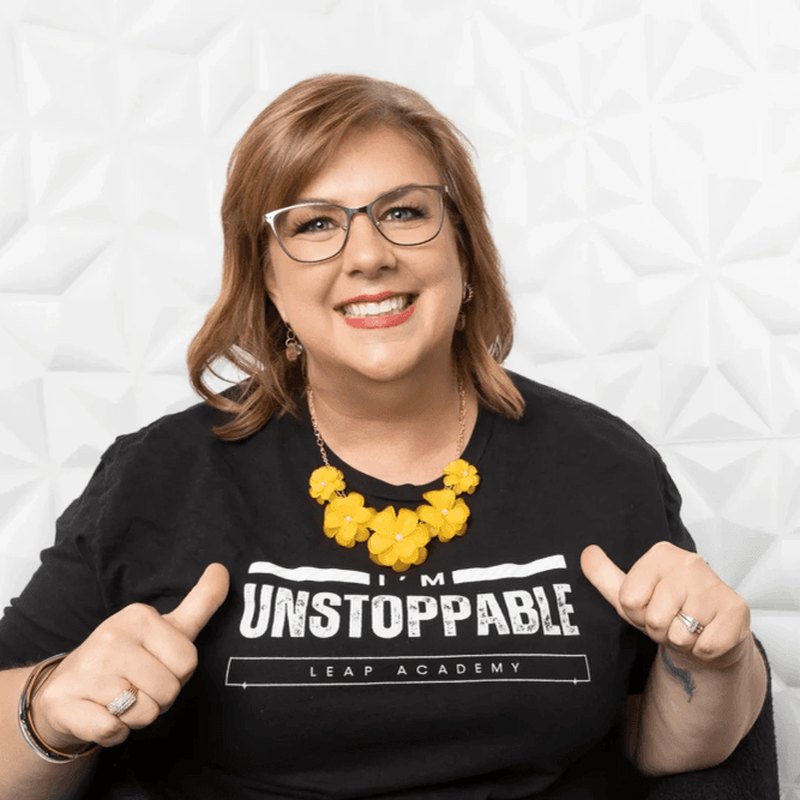
Meet Heather
Heather Winandy
Fractional COO, MentorMe Advisors
When everything depends on the owner, growth eventually becomes a burden. I work as a Fractional COO for small business owners who are ready to lead without carrying every part of the operation themselves, finding what's creating friction, uncovering what's costing time or money, strengthening the team, and building the structure the business needs for its next stage.
PMP Certified, I bring structured, practical systems thinking to businesses at the exact stage where founder-dependency starts to show.
“Heather and I pursued and earned our PMP certifications within months of each other. She is one of the first people I turn to when I want to discuss career growth, challenge conventional thinking, or simply bounce around ideas. She has a unique ability to think outside the box (glass ceiling be damned) and always brings a perspective that pushes the boundaries of what's possible.”
Jayme Cain · Former Peer, Enterprise Support Services at RSM
Philosophy
I help you develop your business so you are leading it
vs. working for it.
Most small businesses grow around the founder's hustle, until decisions pile up, processes live in one person's head, and nothing moves without you. My role as a Fractional COO isn't to take over. It's to build the structure that lets you lead.
01 · Liberate
Clarity, ownership, and communication structures, so your team stops needing you for every answer.
02 · Optimize
Documented processes and workflows, so the business runs on more than what's in your head.
03 · Lead
Move from reactive firefighting to intentional, confident leadership.
My goal is to make myself less necessary. Success isn't having a Fractional COO forever. It's building a business, and a team, that knows how to move forward without you carrying it 24/7.
Ways to Work Together
Here's how we can work together, wherever you're starting from.
Assess
“We know something needs to change, but we're not sure where to start.”
Discovery meeting, stakeholder interviews as appropriate, operational review, identification of gaps and bottlenecks, prioritized needs assessment, recommended next steps, and resources or solutions to consider.
Advise
“We have people who can execute. We need experienced guidance to make the right decisions and stay on track.”
Up to 6 hours per month of strategic guidance, prioritization, leadership counsel, accountability, problem-solving, and implementation review. Your team owns implementation and execution.
Advisory engagements provide reserved monthly capacity rather than prepaid hourly blocks. Unused hours do not accrue, roll over, or create a credit toward future services. Work beyond the included monthly capacity or outside the agreed scope will be discussed and approved before additional charges are incurred.
Develop
“We want to develop the people we already have and help them become more confident, engaged, and effective.”
Customized monthly team coaching and professional development based on organizational needs. May include communication, leadership, accountability, strengths, career development, self-advocacy, problem-solving, and team effectiveness, plus leadership alignment and session preparation.
Implement
“We need someone to help lead the change and get it implemented.”
Business Operations Assessment included, operational leadership, strategic planning, implementation support, project oversight, team coordination, and development of sustainable systems and processes. Includes up to 25 hours per month of dedicated capacity within the agreed priorities and scope.
Fractional COO engagements provide reserved monthly capacity rather than prepaid hourly blocks. Unused hours do not accrue, roll over, or create a credit toward future services. Work beyond the included monthly capacity or outside the agreed scope will be discussed and approved before additional charges are incurred.
Build
“We know what we need. We need someone to help us build it.”
Individually scoped operational projects based on specific business needs. Investment is determined by scope, complexity, timeline, and deliverables.
The goal isn't to make your business dependent on me. It's to build the structure, systems, and leadership that allow your business to thrive without me.
Case Studies
An established real estate advisory firm had strong client relationships and deep expertise, but growth had stalled: client knowledge, marketing, and day-to-day operations all lived in individual heads and separate conversations rather than repeatable systems.
Heather began with a Business Operations Assessment, evaluating processes and identifying gaps across operations, marketing, client relationship management, and business development. Leadership liked the recommendations enough to ask her to stay on and help implement them, and the engagement grew into an ongoing Fractional COO partnership.
Together they built a CRM for client visibility, a consistent LinkedIn-led marketing strategy, clearer business-development follow-up, shared team goals, and the operational structure to support them, turning scattered instinct into usable, repeatable data.
Result: the firm is growing while building the infrastructure to sustain that growth: clearer visibility into clients and prospects, consistent marketing activity, stronger team accountability, and a foundation for measuring what's actually working.
An established art studio had loyal customers and dedicated owners, but the owners were carrying too much themselves: staff responsibilities were unclear, processes lived in memory rather than documentation, and most decisions still routed back to ownership.
Partway through the engagement to build stronger operational structure, the studio discovered an HVAC leak and was told by their landlord that they'd be responsible for a roughly $30,000 replacement. Rather than accept that at face value, Heather asked to see the lease. Her prior property-management background told her equipment responsibility isn't always the tenant's. The lease confirmed the landlord was responsible, removing the $30,000 obligation entirely.
Alongside that win, the broader engagement clarified roles and decision-making authority, realigned the team around individual strengths, improved scheduling and communication, and built the operational reference materials and training milestones needed so employees could solve problems without escalating everything to the owners.
Result: a $30,000 expense avoided, plus a team that's more capable, more accountable, and less dependent on ownership for every decision.
Through volunteer mentoring with a workforce development organization, Heather worked one-on-one with program participants (“Thrivers”), preparing for employment, helping them identify transferable skills, build confidence, and see opportunities they hadn't previously considered.
Leadership at the organization noticed the approach and asked if she could bring the same coaching to their own staff. What started with one employee grew into ongoing monthly group coaching, now covering professional development, communication, leadership, career ownership, and problem-solving across the team.
Result: an internal team that communicates more clearly, takes greater ownership of its own development, and shows up with more confidence: proof that operational improvement isn't only about systems, it's also about developing the people already inside the organization.
Common Questions
A full-time COO is a salaried executive: recruiting time, benefits, and a long-term commitment. A fractional COO brings the same senior operational leadership for a set number of hours each month. You get the experience without adding an executive to payroll before the business is ready for one.
When the business has outgrown “the owner handles it” but doesn't need a full-time executive yet. It's also the smarter first step if you plan to hire full-time later: your future COO inherits systems instead of chaos.
A consultant hands you a report and leaves. I stay to help implement it, and I build your team's ability to keep it running after I'm gone.
Your team has you. Who do you have? Owners are usually the only people in the building nobody is developing. Executive coaching gives you a sounding board with no stake in office politics, someone to pressure-test decisions, and accountability for the things that keep getting pushed to next week.
If you have people who can execute and you need experienced guidance, start with Advisory. If you need someone to help lead the change and get it done, that's the Fractional COO Partnership. Not sure? That's what the Assessment is for.
Yes. I'm actively serving as a COO advisor for a technology startup, meeting monthly with leadership on operational planning and programming. If you want an experienced operations voice at the table, whether on an advisory board or as a standing advisor, without adding a full-time executive, let's talk.
Ready When You Are
The goal isn't to make your business dependent on me. It's to build the structure, systems, and leadership that allow your business to thrive without me.